
From Search Engine to Answer Engine: Answer Engine Optimisation for UK Small Businesses
Published: 18 November 2025
You know how you find things on the internet? You type in an address, right? Like when you go to a shop, you need its address. Websites are the same. These addresses are called URLs. They’re super important for helping people find your website and for making sure Google understands what your website is about.
A URL (Uniform Resource Locator) is just a fancy name for a web address. It’s how your computer knows where to find a page, a picture, or anything else on the internet. Think of it like the unique postcode for every single thing online. Without them, you’d be lost in a sea of web pages!
The idea for URLs came about in 1994, thanks to Tim Berners-Lee, who also came up with the World Wide Web itself. They mixed the old system of website names, which started in 1985, with how we usually organise computer files, using slashes to separate folders and file names.
A URL might look like a jumble of letters and slashes, but it’s actually made of a few key parts. Each bit helps your computer know exactly where to go and what to do.
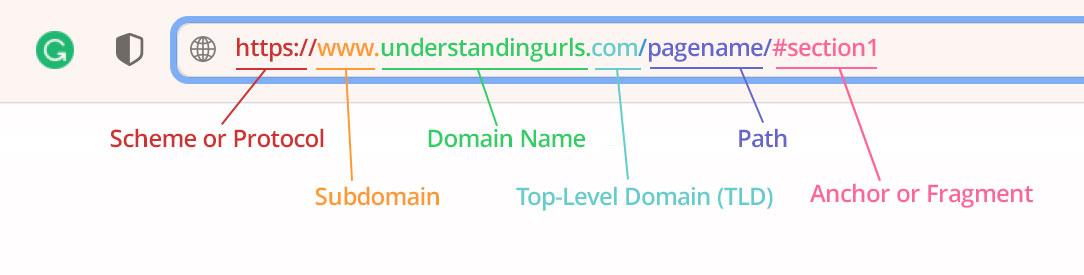
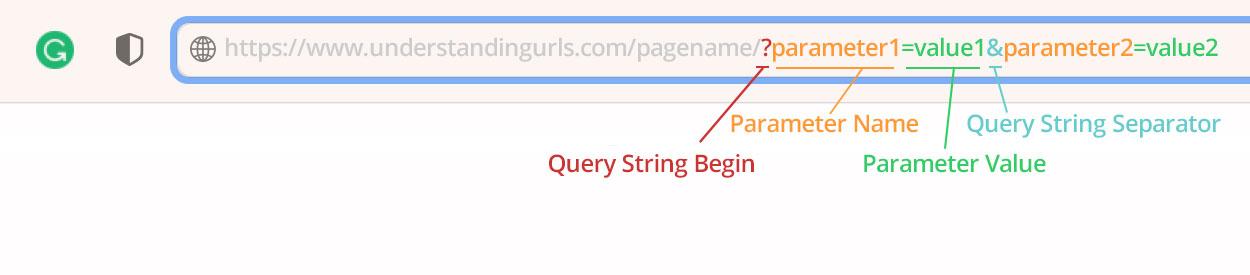
When you click on a link or type in a URL, your computer gets to work. It reads the URL, finds the right website, and then asks for the page you want. The website then sends the page back to your computer so you can see it. It all happens very quickly!
URLs are a big deal for how Google sees your website. A good, clear URL tells Google what your page is about. If your URLs are easy to read and share, more people will click on them. This helps your website show up higher in search results.
To make your URLs work better for Google and your customers, keep these simple ideas in mind:
Some common mistakes can actually harm how well your website gets found:
URLs are the bedrock of the internet. They let us get to all sorts of things online and move between pages. Knowing how they work is a big help for getting your website seen by Google and making it easy for people to use.
By following these simple rules, making your URLs clear and to the point, and avoiding common slip-ups, you can create web addresses that help both Google and your customers find you. So, the next time you type in a web address, remember, you’re not just putting in a few letters; you’re setting off on a digital adventure!
Published: 18 November 2025
Published: 10 November 2025
Published: 19 October 2025
We respect your inbox. While we may occasionally send you information about our services, you can unsubscribe at any time.
We protect your information as outlined in our privacy policy.